
Cellular materials (tissues) are omnipresent in natural structural elements such as bone, cork, plant and wood. Nature evolves cellular tissues for functional adaptations including nutrient transportation and structural support where low density, high stiffness and strength are needed. Modern engineering materials with specific functionality and properties have always been on demand for various medical and industrial applications, which lead to the design and development of nature inspired advanced architected materials. The next generation of bio-inspired structures has the potential to excel their natural paradigms. In the context of advanced materials, unlocking the mechanisms used by plants to grow their flexible and resistant structures is a pathway to discover new classes of tunable architected cellular materials.
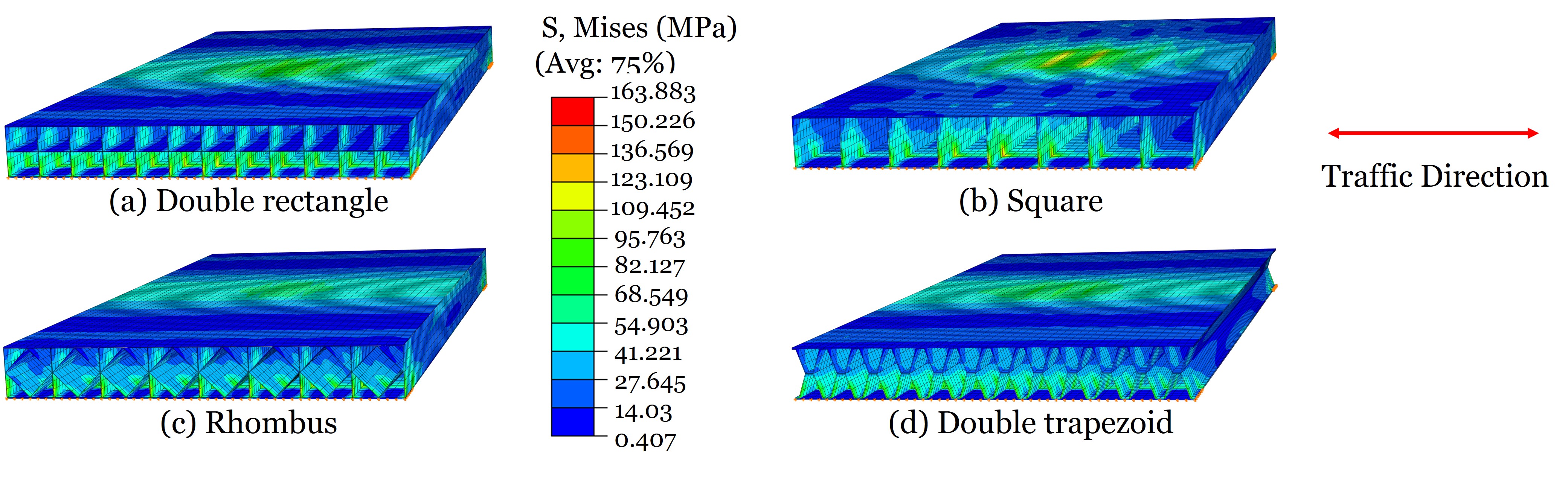
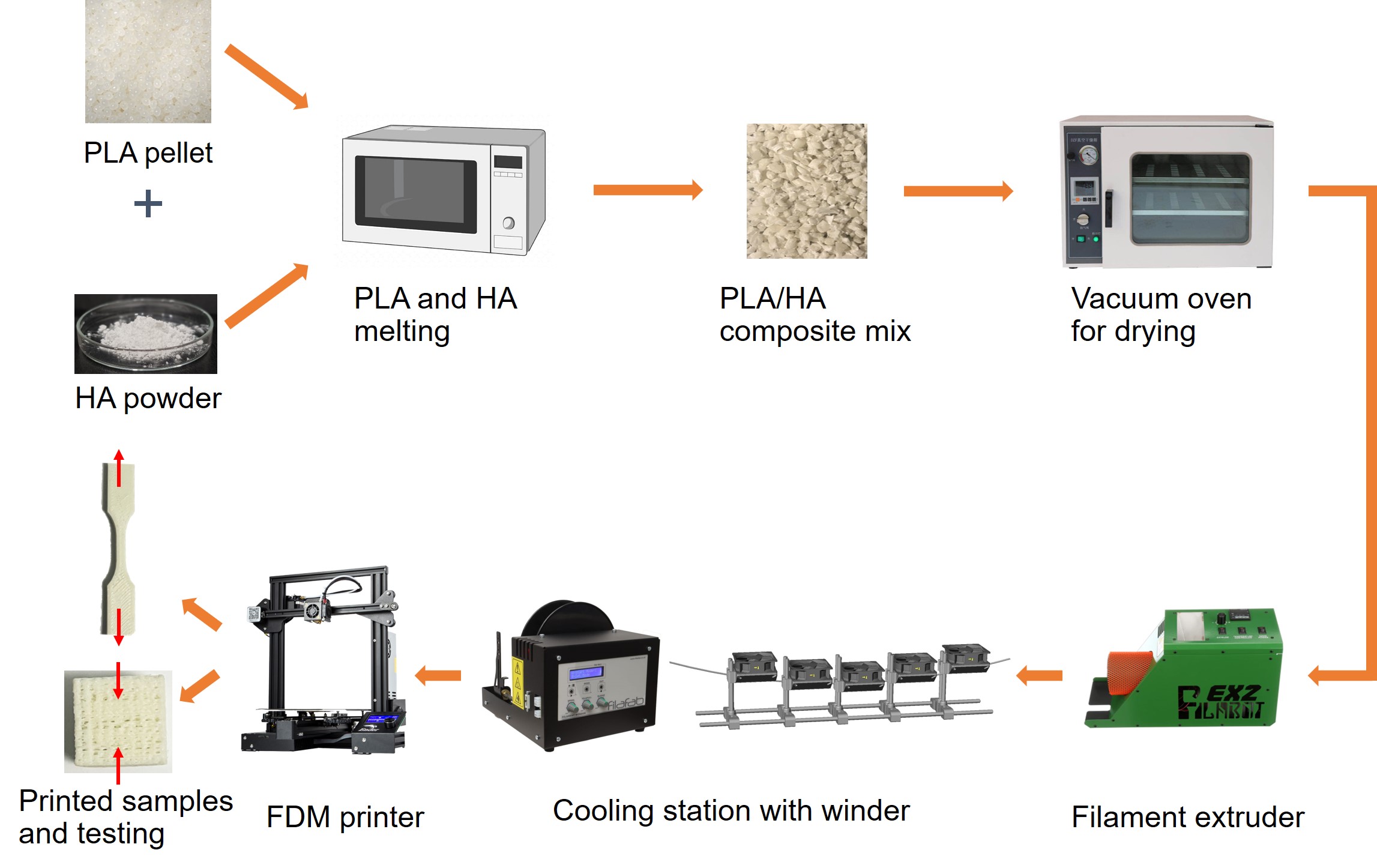
Our goal is to mimic the petiole (or other natural structures) micro-architectures (surrogate tissue), which will act as the reference model for developing a new class of architected cellular materials of mechanical performance (properties) analogous to the surrogate tissues. We employ both computations and experiments to investigate the mechanical performance of the surrogate and architected cellular materials.